

 Europe
  Türkiye
  United Kingdom
  Global








 Login with my Xometry account


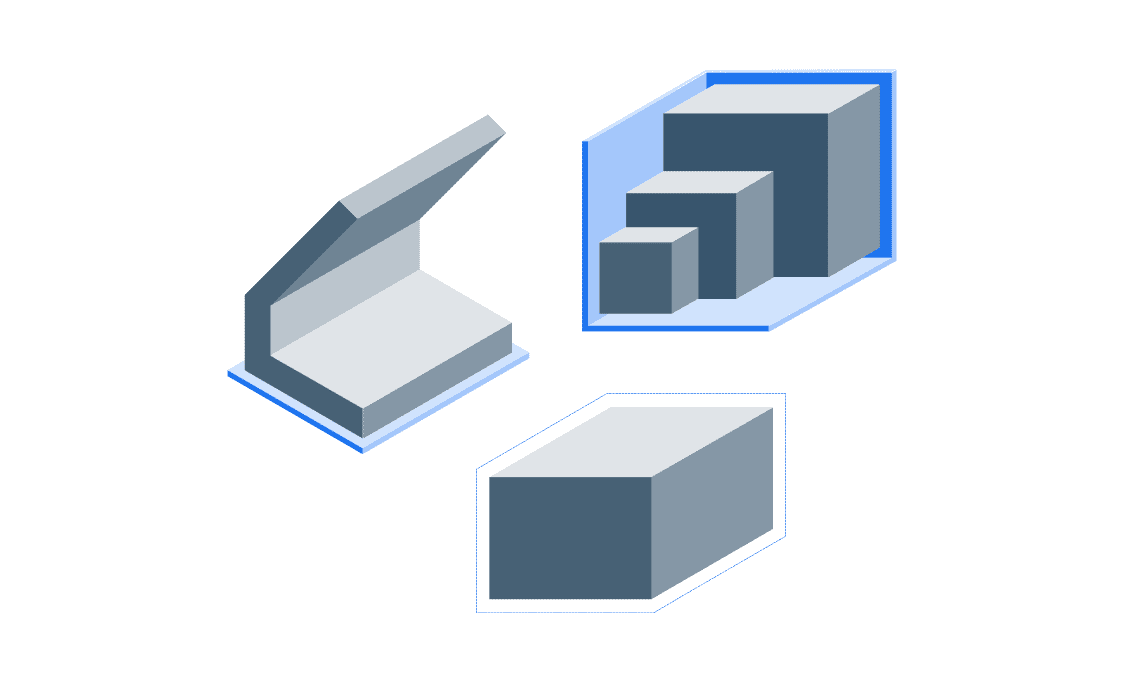
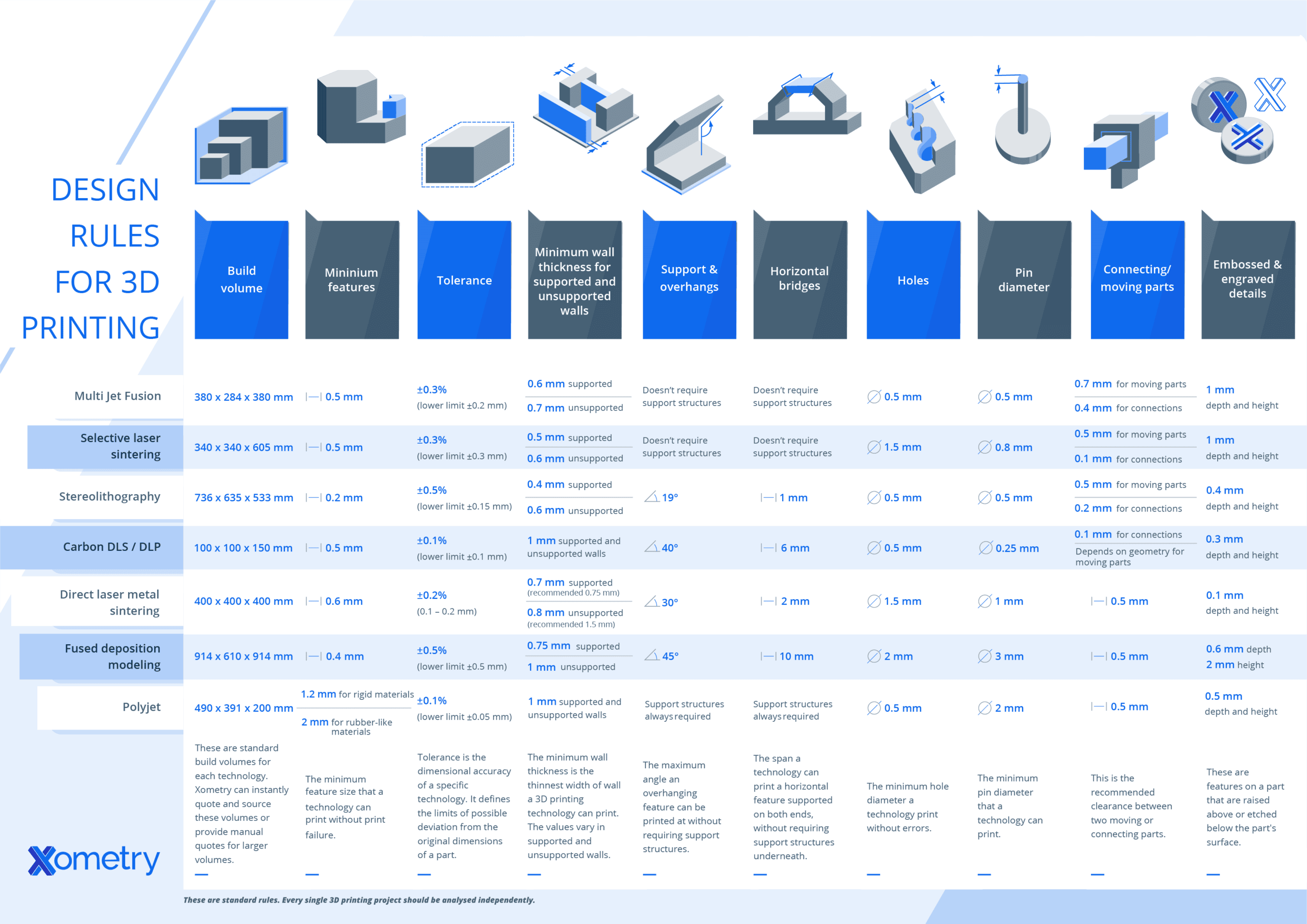
A single design rule doesn’t apply to all 3D printing technologies. Technologies like FDM and SLA utilise support structures while others don’t. Engineering features like wall thickness, holes and tolerance limits should also be designed differently for different technologies. Designing for 3D printing is not a tough task as long as you know the rules. They help in improving the efficiency of printing as well as reducing costs. Xometry Europe offers 7 different types of additive manufacturing processes and this guide provides an overview of design rules with respect to each 3D printing technology.
Related Topics
21.05.2024
Impact of FDM Layer Thickness on Strength
Hello! I am currently designing a high-load component for industrial plants using a high-strength polymer such as Ultem 1010 or PC (FDM printing). The component must withstand significant stress and…
 2
2
28.07.2025
SLA wall thickness issue for microfluidic channels
Hi, I created a 3D design for a small microfluidic part using SLA (Clear Resin) with internal channels ~0.4 mm wide and wall thickness around 0.5 mm. The function relies…
1



Comment(0)